
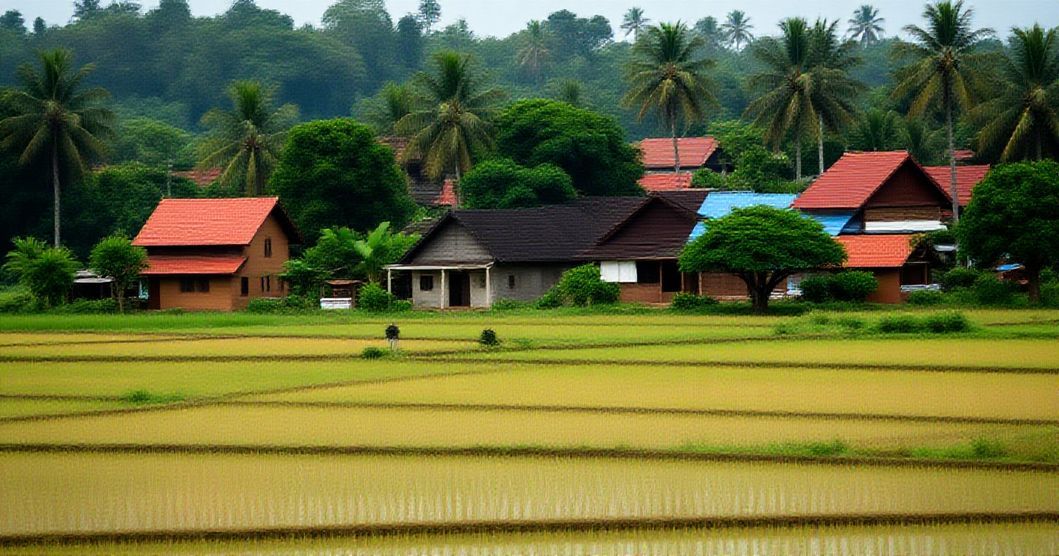
Ever noticed the rain hitting harder, the dry seasons lasting longer, or the heat becoming unbearable? It's not just your imagination. Climate change isn't some distant problem; it's right here, in your backyard, transforming Sri Lanka as we know it.
From unprecedented floods that devastate communities to scorching droughts that threaten our harvests, extreme weather is becoming the new normal. But what does this mean for you, your home, and our beloved island? More importantly, what can we, as Sri Lankans, do about it?
In this comprehensive guide, SL Build LK breaks down the harsh realities of extreme weather in Sri Lanka, simplifies the science, and arms you with practical, actionable solutions to protect what matters most. Get ready to understand the challenge and discover how to build a more resilient future, starting today!
The Unseen Enemy: Extreme Weather's Grip on Our Island
Sri Lanka, a tropical paradise, has always experienced diverse weather patterns. However, recent years have seen a dramatic shift. We're witnessing more frequent and intense weather events that defy historical norms, impacting everything from daily commutes to national food security.
These aren't just bad weather days; they are manifestations of a changing climate. Extreme weather refers to weather events that are unusual in their severity, frequency, or duration for a particular place and time of year. Think beyond heavy rain; think flash floods, extended droughts, and intense heatwaves.
- Flash Floods: Areas previously unaffected are now seeing rapid inundation, causing displacement and damage.
- Prolonged Droughts: Northern and Eastern provinces, vital for agriculture, face extended dry spells, threatening crops and livelihoods.
- Intense Heatwaves: Temperatures are soaring, especially in urban areas, leading to health risks and discomfort.
- Cyclonic Activity: While not directly hit often, the Bay of Bengal's increased storm intensity affects our coastal regions and fisheries.
These events disrupt daily life, destroy infrastructure, and pose significant threats to public health and economic stability. Understanding their local impact is the first step towards effective preparedness.
Decoding the Chaos: The Science Behind Sri Lanka's New Climate
So, why is this happening? The science, while complex, can be broken down simply. At its core, climate change is primarily driven by human activities, especially the burning of fossil fuels (coal, oil, gas), which release greenhouse gases like carbon dioxide into the atmosphere.
These gases act like a blanket, trapping heat and causing the Earth's average temperature to rise – a phenomenon known as global warming. Even a slight increase in global temperature has profound effects, energizing our weather systems and leading to more extreme conditions.
- Greenhouse Effect Simplified: Imagine a car parked in the sun. The glass windows let sunlight in but trap the heat, making the car's interior much hotter. Greenhouse gases do something similar to Earth.
- Warmer Oceans, More Moisture: As oceans warm, more water evaporates into the atmosphere. This increased moisture fuels heavier rainfall events, contributing to floods.
- Shifting Weather Patterns: The overall warming disrupts global atmospheric circulation, leading to more persistent weather systems – longer droughts in some areas, more intense storms in others.
- Melting Glaciers & Sea Level Rise: While distant, this impacts our island nation directly by increasing the risk of coastal erosion and saltwater intrusion into freshwater sources.
For an island nation like Sri Lanka, surrounded by the Indian Ocean, these changes aren't just theoretical; they are an existential challenge. Our coastal communities, fisheries, and unique biodiversity are particularly vulnerable.
From Your Paddy Field to Your Plate: Real-World Impacts on Sri Lanka
The consequences of extreme weather are far-reaching, touching every aspect of life in Sri Lanka. From the food on your table to the safety of your home, these changes demand our attention and proactive measures.
Impact on Agriculture & Food Security
Sri Lanka's economy and culture are deeply rooted in agriculture, particularly rice cultivation and tea plantations. Extreme weather directly threatens these vital sectors.
- Paddy Fields at Risk: Floods can destroy young crops, while droughts can lead to crop failure, impacting rice yields and farmer livelihoods.
- Tea Industry Challenges: Changes in rainfall patterns and increased temperatures can affect tea quality and production, a major export earner for Sri Lanka.
- Disrupted Supply Chains: Damaged roads and infrastructure due to floods can prevent produce from reaching markets, leading to shortages and price hikes.
Threats to Health & Well-being
Extreme weather events also have significant public health implications, especially in tropical climates like ours.
- Vector-Borne Diseases: Prolonged heavy rains create ideal breeding grounds for mosquitoes, leading to spikes in diseases like Dengue and Chikungunya.
- Waterborne Diseases: Floods can contaminate water sources, increasing the risk of cholera, typhoid, and other illnesses.
- Heat-Related Illnesses: Intense heatwaves can cause heatstroke, dehydration, and exacerbate existing health conditions, particularly among the elderly and outdoor workers.
Infrastructure & Economic Damage
The cost of repairing damage from extreme weather events is enormous, diverting resources that could otherwise be used for development.
- Roads & Bridges: Washed away by floods or damaged by landslides, disrupting transport and commerce.
- Power Outages: Storms and floods frequently cause power cuts, affecting homes and businesses.
- Coastal Erosion: Rising sea levels and stronger storm surges accelerate coastal erosion, threatening homes, tourist infrastructure, and vital ecosystems.
Here's a quick look at how recent extreme weather compares to historical norms:
| Event Type | Historical Trend (Avg.) | Recent Extreme (Example) | Impact in Sri Lanka |
|---|---|---|---|
| Heavy Rainfall/Floods | Seasonal monsoons | Increased intensity & unpredictability (e.g., 2016, 2017 major floods) | Displacement, infrastructure damage, crop loss, waterborne diseases. |
| Droughts | Occasional, localized | Longer durations, wider affected areas (e.g., 2017 major drought) | Crop failure, water scarcity, food insecurity, hydropower reduction. |
| Heatwaves | Rare, mild | Higher temperatures, increased frequency (e.g., peak temperatures in urban areas) | Health risks (heatstroke), increased energy demand for cooling. |
| Sea Level Rise | Gradual, minor | Accelerated rise (global avg. ~3.6mm/year) | Coastal erosion, saltwater intrusion, threat to low-lying areas. |
Future-Proofing Your Home & Community: Smart Solutions for Sri Lankans
While the challenges are significant, we are not powerless. There are practical steps we can take, both individually and as communities, to adapt to these changes and build resilience.
At Home: Building a Resilient Household
Your home is your sanctuary. Making it more resilient starts with smart choices.
- Water Management: Install rainwater harvesting systems. Use water-efficient appliances. During droughts, conserve every drop.
- Flood Preparedness: If you live in a flood-prone area, elevate electrical outlets, store valuables higher up, and have an emergency kit ready (water, first aid, non-perishable food, important documents).
- Energy Efficiency: Switch to energy-saving LED bulbs. Unplug electronics when not in use. Consider solar panels for your roof – a great investment in Sri Lanka's sunny climate.
- Waste Reduction: Embrace the 3Rs: Reduce, Reuse, Recycle. Composting organic waste reduces landfill burden and enriches your garden.
- Planting Smart: Plant trees and shrubs around your home. They can reduce heat, help with water absorption, and prevent soil erosion. Choose native species that are resilient to local conditions.
In Your Community: Collective Action
Addressing climate change requires collective effort. Engage with your local community and authorities.
- Community Emergency Plans: Participate in or initiate local disaster preparedness drills and plans. Know your evacuation routes.
- Support Local Initiatives: Back projects that promote sustainable agriculture, reforestation, and coastal protection.
- Advocate for Change: Speak to your local government representatives about investing in resilient infrastructure, early warning systems, and renewable energy.
- Educate Others: Share what you've learned. Awareness is key to fostering a culture of preparedness and sustainability.
Beyond the Horizon: Building a Resilient Sri Lanka Together
While individual actions are crucial, a truly resilient Sri Lanka requires broader systemic changes. This involves embracing technology, fostering innovation, and committing to sustainable development at a national level.
Embracing Green Technology
Technology offers powerful tools for both mitigating climate change and adapting to its impacts.
- Renewable Energy Expansion: Investing in large-scale solar farms, wind power, and hydropower can reduce our reliance on fossil fuels, cutting down emissions.
- Smart Agriculture: Utilizing precision farming techniques, drought-resistant crops, and early warning systems for pests and diseases can secure our food supply.
- Advanced Weather Forecasting: Better meteorological infrastructure and data analytics can provide more accurate and timely warnings for extreme events, saving lives and property.
- Sustainable Urban Planning: Designing cities with green spaces, efficient public transport, and flood-resistant infrastructure can create healthier, safer environments.
Policy and Collaboration
Government policies and international cooperation play a vital role in setting the stage for a sustainable future.
- National Climate Policies: Sri Lanka needs robust policies for emissions reduction, disaster risk reduction, and climate adaptation across all sectors.
- International Partnerships: Collaborating with global organizations and developed nations can provide access to funding, technology, and expertise for climate action.
- Protecting Our Ecosystems: Conserving our forests, mangroves, and coral reefs isn't just about biodiversity; these natural buffers protect us from storms and floods.
Every step, big or small, contributes to a larger movement. Sri Lanka has the potential to be a leader in sustainable development, leveraging its natural beauty and innovative spirit to build a future where both people and nature thrive.
The changing climate in Sri Lanka is a serious challenge, but it's also an opportunity. An opportunity to innovate, to build stronger communities, and to create a more sustainable way of life for all. By understanding the science, recognizing the impacts, and taking decisive action, we can future-proof our homes, protect our communities, and ensure that our beautiful island remains a paradise for generations to come.
Don't just read about it – be part of the solution! What steps are you taking in your home or community? Share your thoughts and tips in the comments below! And if you found this insightful, hit that subscribe button and share it with your friends and family to spread awareness. Together, we can build a resilient Sri Lanka!


0 Comments