
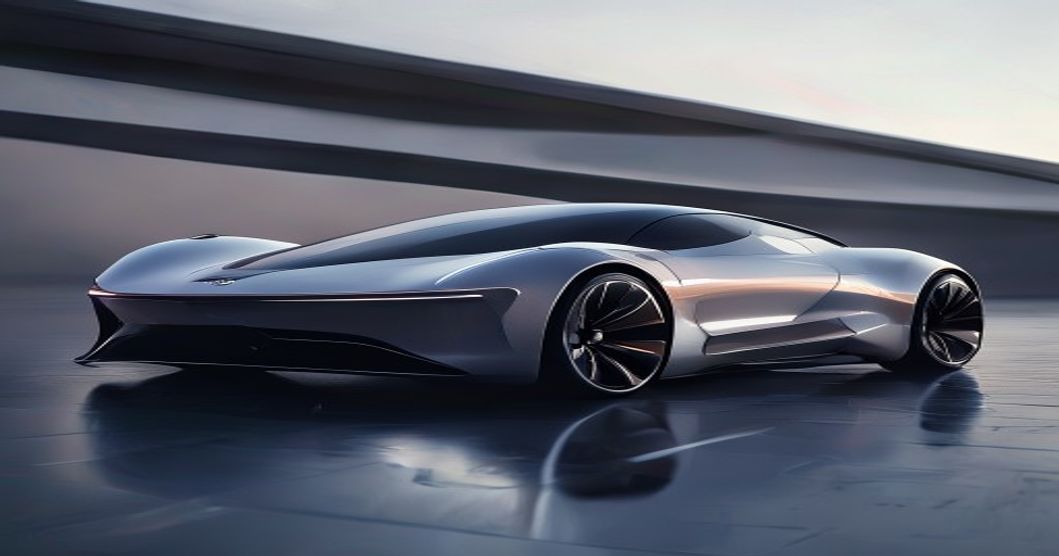
Remember the days when a brand-new, sleek electric vehicle (EV) seemed like the future just around the corner for Sri Lanka? The promise of silent rides, no more fuel queues, and a cleaner planet felt tangible.
Then came the import ban. Overnight, that dream seemed to hit a wall, leaving many potential EV owners scratching their heads and current owners wondering about their investments. What exactly happened, and more importantly, what's next for EVs in our island nation?
At SL Build LK, we're diving deep into the heart of Sri Lanka's EV import ban. We'll break down why it happened, how it affects everything from luxury Teslas to your trusty Yadea electric bike, and give you practical tips to navigate this electrifying challenge. Get ready to understand the past, present, and future of electric mobility in Sri Lanka!
The Ban Explained: Why We're Here (and What It Means for You!)
The import ban on vehicles, including EVs, wasn't a sudden decision in a vacuum. It was a direct response to Sri Lanka's severe economic crisis, particularly the critical shortage of foreign exchange (forex).
Simply put, forex is the foreign currency a country needs to pay for imports. When our reserves plummeted, the government had to make tough choices to conserve every dollar, leading to restrictions on "non-essential" imports like vehicles. This move aimed to stabilize the economy, but it put a halt on the influx of new electric cars, vans, and even some electric bikes.
- Forex Crunch: The primary reason was to save precious foreign currency reserves needed for essential goods like fuel, medicine, and food.
- Economic Stability: A desperate measure to prevent further depreciation of the Sri Lankan Rupee and control inflation.
- Impact on New EVs: Zero new EVs have officially entered the market through traditional import channels since the ban.
- Rising Prices: The scarcity of new vehicles has inevitably driven up the prices of existing, pre-owned EVs already in the country.
The Used EV Market: Gold Rush or Ghost Town?
With no new EVs coming in, the focus shifted entirely to the secondary market. For a while, it felt like a gold rush for current EV owners, whose vehicles appreciated significantly in value.
However, for those looking to buy, it became a challenging landscape of inflated prices, limited choices, and the crucial need for careful inspection. Finding a well-maintained used EV at a reasonable price has become a true quest.
What to Look For When Buying a Used EV in Sri Lanka:
- Battery Health: This is paramount. Always request a battery health certificate or diagnostic report. A 'State of Health' (SOH) above 80% is generally good, but higher is better.
- Charging History: Ask about the owner's charging habits. Frequent fast charging can degrade batteries faster than slower, home charging.
- Service Records: Ensure the vehicle has been serviced regularly, ideally by authorized local dealers or reputable EV specialists. This indicates proper maintenance.
- Warranty Status: Check if any factory warranty (especially for the battery and powertrain) is still active and transferable.
- Underbody Inspection: Look for any signs of damage, especially around the battery pack, which is usually located on the vehicle's floor.
- Test Drive: Pay attention to range estimation, charging speed (if possible to test), and overall driving feel.
Comparative Used EV Prices (Pre- & Post-Ban Estimate):
While exact figures vary wildly based on condition and mileage, here's a rough idea of how prices for popular models have shifted:
| EV Model (Example) | Estimated Price Pre-Ban (LKR Million) | Estimated Price Post-Ban (LKR Million) | Approx. % Increase |
|---|---|---|---|
| Nissan Leaf (2018-2020) | 6.5 - 8.0 | 9.0 - 12.0 | 38% - 50% |
| Hyundai Kona EV (2019-2021) | 9.0 - 11.0 | 13.0 - 16.0 | 44% - 45% |
| Tesla Model 3 (2020-2021) | 20.0 - 25.0 | 30.0 - 40.0+ | 50% - 60%+ |
*Note: These are highly approximate figures for illustration and can vary significantly based on vehicle condition, mileage, variant, and market demand. Always do your own research.
Beyond 4 Wheels: The Electric Bike & Scooter Boom (and BUST?)
When fuel queues stretched for kilometers, electric bikes and scooters like the popular Yadea models became saviors for many Sri Lankans. They offered a low-cost, efficient, and queue-free mode of transport.
However, the import ban's effect on these two-wheelers is a bit more nuanced. While fully assembled electric bikes might face restrictions, the import of components for local assembly or repair can also be challenging due to forex issues.
Common Issues with Electric Bikes (Yadea, etc.) & Practical Solutions:
- Battery Degradation: Over time, the range decreases.
- Solution: Charge regularly, avoid extreme temperatures, don't fully drain the battery. Some workshops can re-pack battery cells, but ensure they are reputable.
- Motor or Controller Issues: Loss of power, jerky acceleration.
- Solution: Visit authorized service centers or specialized electric bike repair shops. Avoid DIY unless you have technical expertise, as high voltages are involved.
- Spare Parts Availability: Finding specific parts like braking components, lights, or even specialized tires can be hard.
- Solution: Join local EV bike owner groups (e.g., Facebook groups). Members often share information on where to find parts or even have spare parts for sale. Explore online marketplaces that ship globally, but be mindful of customs and shipping costs.
- Charger Malfunction: Charger stops working or charges slowly.
- Solution: Always use the original charger. If it fails, try to source a compatible replacement from an authorized dealer to avoid damaging your battery.
- Water Damage: Riding in heavy rain can sometimes affect electronics.
- Solution: Avoid riding in deep puddles. If your bike gets wet, allow it to dry thoroughly before attempting to use it. Consider aftermarket waterproofing sprays for critical components.
For Yadea owners and other electric bike enthusiasts, connecting with local communities is crucial. Knowledge sharing on maintenance, troubleshooting, and sourcing parts can save you a lot of hassle and money.
The Road Ahead: What's Sri Lanka's EV Future?
Despite the current challenges, the long-term vision for EVs in Sri Lanka remains strong. The global shift towards electrification, coupled with our own past fuel crises, makes a compelling case for sustainable transport.
The lifting of the import ban, when it happens, will likely be gradual and depend heavily on the improvement of Sri Lanka's economic indicators and forex reserves. However, the hiatus has also spurred some interesting local developments.
Potential Scenarios for Sri Lanka's EV Future:
- Phased Lifting of Ban: Likely to start with commercial EVs or those that support public transport, followed by personal vehicles.
- Local Assembly Initiatives: The ban could encourage local companies to invest in assembling EVs or components within Sri Lanka, reducing reliance on full imports and creating jobs.
- Incentives for Hybrids: A possible intermediate step could be renewed incentives for hybrid vehicles, which offer better fuel efficiency than conventional cars but are less forex-intensive than full EVs.
- Charging Infrastructure Growth: Even with the ban, companies continue to invest in charging stations, anticipating future demand. This infrastructure will be ready when imports resume.
- Focus on Two-Wheelers: Local manufacturing or assembly of electric two-wheelers could see a significant boost, making electric bikes and scooters more accessible.
The government's long-term energy policy and commitment to renewable energy sources will also play a pivotal role in shaping the EV landscape. A stable policy environment is essential to attract foreign investment and encourage local innovation.
Actionable Advice for Current & Future EV Owners
Whether you're already cruising in an EV or dreaming of one, here's how to stay smart and prepared during this period of uncertainty:
For Current EV Owners:
- Prioritize Maintenance: Stick to your service schedule. Proper care prolongs battery life and overall vehicle health.
- Gentle Driving: Aggressive acceleration and braking consume more energy. Drive smoothly to maximize your range and reduce wear and tear.
- Smart Charging: Avoid frequent fast charging. Use home (AC) charging whenever possible. Aim to keep your battery between 20% and 80% for optimal longevity.
- Join Communities: Engage with local EV owner clubs and online forums. They are invaluable for sharing tips on maintenance, parts, and troubleshooting.
- Stay Informed: Keep an eye on government announcements regarding import policies and economic conditions.
For Future EV Buyers:
- Evaluate Alternatives: Consider electric bikes or scooters for daily commutes if a car is out of reach. They offer similar benefits on a smaller scale.
- Save Smartly: If you're set on an EV car, start saving. Prices might remain elevated for a while, and a larger down payment will help.
- Research Thoroughly: When the ban lifts, the market will likely be flooded with new models. Understand different battery chemistries, charging standards, and range requirements.
- Explore Local Options: Keep an eye on any local assembly projects or companies offering EV conversions. These could provide more affordable entry points.
- Advocate for Change: Support initiatives that promote sustainable transport and responsible economic policies.
The current EV import ban in Sri Lanka is undoubtedly a hurdle, but it's not the end of the electric journey. It's a pause, a moment for reflection, and perhaps an opportunity for local innovation to shine.
By understanding the situation, taking proactive steps, and staying connected with the EV community, we can all navigate these challenging times. The future of electric mobility in Sri Lanka is not just about imports; it's about resilience, resourcefulness, and a collective drive towards a greener tomorrow.
What are YOUR thoughts on the EV ban? Have you faced challenges with your electric bike or car? Share your experiences and tips in the comments below! Don't forget to like, share, and subscribe to SL Build LK for more insights into tech and lifestyle in Sri Lanka!


0 Comments