
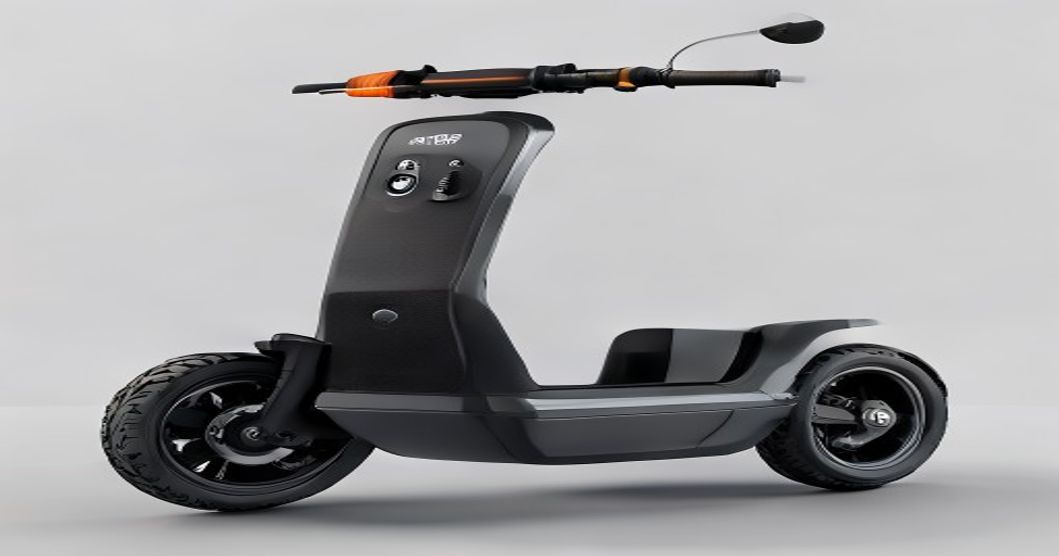
Hey SL Build LK Fam! Ever wondered what truly powers your awesome Yadea electric scooter zipping through the streets of Colombo or cruising down the Southern Expressway? It’s not just magic; it’s the battery, the very heart of your EV!
In a country where fuel prices are always a hot topic, electric scooters like Yadea are becoming a game-changer for daily commutes and weekend adventures. But to truly maximize your Yadea's potential and ensure it stays reliable for years, understanding its battery is absolutely crucial.
This comprehensive guide will demystify Yadea batteries, explain the different types, share essential maintenance tips, tackle common issues unique to Sri Lanka, and help you get the most out of your ride. Get ready to unlock your Yadea's full power!
Understanding Your Yadea's Power Source: Lead-Acid vs. Lithium-ion
Yadea, like many electric scooter manufacturers, primarily uses two types of battery technologies: Lead-Acid and Lithium-ion. Each has its own characteristics, pros, and cons, which are especially important to consider in Sri Lanka's unique climate and economic landscape.
Knowing which type powers your scooter is the first step towards proper care and maintenance. You can usually find this information in your scooter's manual or by checking the battery pack itself.
Lead-Acid Batteries: The Workhorse
- **How they work:** These are traditional, robust batteries that use lead plates and an electrolyte solution to store energy. They are often sealed (SLA or VRLA) in scooters, meaning less maintenance.
- **Common in:** Older Yadea models or more budget-friendly options. They are known for their reliability and lower initial cost.
- **Local context:** Lead-acid batteries have a longer history in Sri Lanka and are generally easier to find replacements for, though specialized scooter batteries might require specific dealers.
Lithium-ion Batteries: The Modern Marvel
- **How they work:** These batteries use lithium compounds for energy storage, offering higher energy density and lighter weight. They are the standard for most modern EVs due to their superior performance.
- **Common in:** Newer, higher-performance Yadea models, offering better range and faster charging.
- **Local context:** While initially more expensive, their longer lifespan and performance benefits often outweigh the cost for many Sri Lankan riders seeking efficiency and convenience.
Quick Comparison: Lead-Acid vs. Lithium-ion for Your Yadea
Here’s a quick glance at how these two battery types stack up, especially relevant for riders in Sri Lanka:
| Feature | Lead-Acid (SLA/VRLA) | Lithium-ion |
|---|---|---|
| **Initial Cost (LKR)** | Lower | Higher |
| **Lifespan (Charge Cycles)** | 200-500 cycles | 800-1500+ cycles |
| **Weight** | Heavy | Significantly Lighter |
| **Energy Density (Range)** | Lower (Less range per kg) | Higher (More range per kg) |
| **Charging Time** | Slower (4-8 hours) | Faster (2-5 hours) |
| **Maintenance** | Low (sealed) | Very Low (managed by BMS) |
| **Performance in Hot Climate (SL)** | Sensitive to extreme heat, can degrade faster. | Generally better, but still sensitive to prolonged extreme heat. |
| **Self-Discharge Rate** | Higher (loses charge faster when idle) | Lower (retains charge longer) |
Maximizing Your Yadea Battery Life & Range in Sri Lanka
Extending the life and maximizing the range of your Yadea battery isn't just about saving money; it's about getting the most out of your investment and enjoying a hassle-free ride. Here are some actionable tips tailored for Sri Lankan conditions:
Smart Charging Habits for Longevity
- **Don't Overcharge (Lithium-ion):** While Lithium-ion batteries have a Battery Management System (BMS) to prevent overcharging, consistently leaving them plugged in for days after full charge can still slightly stress the battery. Unplug once fully charged.
- **Avoid Deep Discharges (Both Types):** Try not to let your battery drain completely to 0% regularly. Charge your scooter when the battery indicator drops to 20-30%. This "partial charging" is healthier for both battery types.
- **Use the Original Charger:** Always use the Yadea-provided charger. Aftermarket chargers might not have the correct voltage or current, leading to inefficient charging, overheating, or even permanent damage.
- **Charge in a Cool Place:** Sri Lanka's tropical heat can affect charging efficiency. Charge your scooter in a shaded, well-ventilated area, away from direct sunlight. Never charge immediately after a long, hot ride; let the battery cool down first.
- **Beware of Power Fluctuations:** Frequent power cuts and voltage fluctuations are common in some parts of Sri Lanka. Consider using a surge protector for your charging setup, especially if you experience unstable power supply.
Riding Habits for Extended Range
- **Smooth Acceleration:** Aggressive acceleration and sudden braking consume more power. Ride smoothly and anticipate traffic, especially in busy areas like Galle Road or Kandy Road.
- **Maintain Consistent Speed:** High speeds drain the battery faster. While tempting to unleash full power, try to maintain a consistent, moderate speed for optimal range.
- **Check Tire Pressure:** Under-inflated tires increase rolling resistance, forcing your motor to work harder and consume more battery power. Regularly check your tire pressure (refer to your Yadea manual for recommended PSI).
- **Lighten the Load:** The heavier the load, the more energy required to move it. While Yadeas are sturdy, try to avoid unnecessary heavy luggage or multiple passengers if you're aiming for maximum range.
Storage and Care in Sri Lankan Climate
- **Long-Term Storage:** If you plan not to use your Yadea for an extended period (e.g., during your overseas trip or monsoon season), charge the battery to about 50-60% before storing. Disconnect it if possible, and store it in a cool, dry place.
- **Protect from Direct Sunlight:** Parking your scooter under the scorching Sri Lankan sun for prolonged periods can heat the battery, accelerating degradation. Always try to park in the shade.
- **Keep it Dry:** While Yadea scooters are built to withstand some rain, avoid prolonged exposure to heavy downpours or submerging the battery area in water. Moisture can lead to short circuits.
Common Yadea Battery Problems & Solutions for Sri Lankan Riders
Even with the best care, sometimes issues can arise. Here are some common battery-related problems Yadea riders in Sri Lanka might face, along with practical solutions.
Problem 1: Reduced Range or Quick Degradation
Your scooter used to go further, but now the range seems to have dropped significantly. This is a common sign of battery degradation.
- **Causes:** Age, consistent deep discharging, frequent charging in extreme heat, using non-original chargers, or internal cell imbalance (especially for Lithium-ion).
- **Solution:**
- **Review Charging Habits:** Implement the smart charging tips mentioned above.
- **Check Your Charger:** Ensure you're using the original Yadea charger.
- **Professional Battery Check:** For Lithium-ion, a specialized Yadea service center might be able to perform cell balancing, which can sometimes restore some capacity. For Lead-acid, degradation is often irreversible, and replacement might be the only option.
- **Consider a Replacement:** If your battery is old and has seen many charge cycles, it might be time for a new one. Contact authorized Yadea dealers in Sri Lanka for genuine replacements.
Problem 2: Slow Charging or Not Charging At All
You plug in your Yadea, but it takes forever to charge, or the charging indicator doesn't light up.
- **Causes:** Faulty charger, loose connections, a tripped circuit breaker, or an issue with the scooter's Battery Management System (BMS) or charging port.
- **Solution:**
- **Inspect Charger & Cables:** Check for any visible damage to the charger cable, plug, or the charging port on your scooter.
- **Test Another Socket:** Try plugging the charger into a different wall socket to rule out an issue with your home's electrical outlet.
- **Check Circuit Breaker:** If your charger has an internal circuit breaker, ensure it hasn't tripped.
- **Contact Service Center:** If the charger seems fine, the issue could be with the scooter's internal charging system or BMS. A Yadea service center in Sri Lanka will have the diagnostic tools to identify and fix this.
Problem 3: Battery Overheating or Swelling (Especially Lead-Acid)
You notice the battery compartment getting unusually hot, or in extreme cases, the battery itself appears swollen. This is a serious issue.
- **Causes:** Overcharging, internal short circuit, faulty cells, or exposure to extreme external heat while charging or riding.
- **Solution (Immediate Action!):**
- **Disconnect Immediately:** If the battery is hot or swollen, disconnect it from the charger and, if safe to do so, from the scooter itself.
- **Move to a Safe Area:** Place the battery in a non-flammable area, away from anything combustible.
- **Do NOT Use:** Do not attempt to charge or use the battery further.
- **Seek Professional Help:** This is a safety hazard. Contact your authorized Yadea service center in Sri Lanka immediately. They can safely inspect and advise on replacement. Never try to repair a swollen or overheating battery yourself.
The Future of Yadea Batteries & EVs in Sri Lanka
The world of electric vehicles is evolving rapidly, and Yadea is at the forefront of this innovation. What does this mean for riders in Sri Lanka?
Emerging Battery Technologies
- **Solid-State Batteries:** These are the holy grail of EV batteries, promising higher energy density, faster charging, and enhanced safety compared to current Lithium-ion. While not yet mainstream for scooters, Yadea is actively researching and developing these for future models.
- **Graphene Batteries:** Some manufacturers are exploring graphene-enhanced batteries for faster charging and improved durability. This could potentially translate to Yadea models offering even quicker top-ups.
- **Swappable Batteries:** While not new, the concept of easily swappable battery packs is gaining traction, especially for delivery fleets. This could mean less downtime waiting for a charge and more flexibility for riders.
Sri Lanka's EV Landscape
The adoption of EVs in Sri Lanka is steadily increasing, driven by environmental consciousness and the fluctuating cost of fossil fuels. The government's push for sustainable transport also plays a significant role.
- **Charging Infrastructure:** While dedicated public EV charging stations for scooters are still developing, the ease of charging Yadea batteries at home or work makes them incredibly practical for Sri Lankan daily use.
- **Environmental Impact:** By choosing a Yadea, you're contributing to cleaner air in our beautiful island, reducing carbon emissions and noise pollution in our bustling cities.
- **Economic Benefits:** Long-term savings on fuel and maintenance costs make Yadea scooters a smart financial choice for many Sri Lankans.
Conclusion: Power Up Your Ride!
Your Yadea electric scooter's battery is more than just a power source; it's the key to your freedom on Sri Lankan roads. By understanding its type, practicing smart maintenance, and addressing issues promptly, you can significantly extend its life, maximize your range, and ensure a safe, enjoyable ride.
Embrace the electric revolution with confidence! Keep these tips in mind, and your Yadea will continue to be a reliable and efficient companion for all your journeys across our vibrant island.
What are your experiences with Yadea batteries? Share your tips or questions in the comments below! Don't forget to subscribe to SL Build LK for more insightful tech and lifestyle guides relevant to Sri Lanka!


0 Comments